


Veneer Tenderizing Machine
Veneer Tenderizing Machine
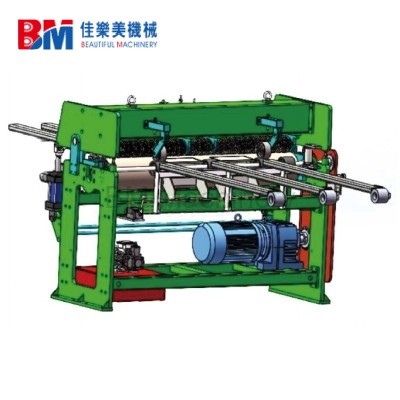
The Veneer Tenderizing Machine is an essential piece of equipment in modern plywood and veneer production lines. It is specifically designed to soften and loosen the fiber structure of wood veneer sheets after peeling, effectively reducing internal stress, curl, and deformation. By improving veneer flexibility and flatness, this machine enhances drying efficiency and final plywood quality.
This equipment is widely used in plywood factories, veneer processing plants, and wood-based panel production lines, serving as a critical pre-treatment step before veneer drying and gluing.
This equipment is widely used in plywood factories, veneer processing plants, and wood-based panel production lines, serving as a critical pre-treatment step before veneer drying and gluing.
Quantity:
Veneer Tenderizing Machine
1. Detailed Product Description
A Veneer Tenderizing Machine is designed to improve the flexibility and bonding performance of veneer sheets by creating uniform micro-cracks across the surface. This process reduces internal stress, minimizes cracking, and enhances glue penetration during plywood production.
The machine is equipped with specially designed pressing rollers and adjustable pressure control to ensure consistent tenderizing results. Typical parameters include working width 1,300–2,700 mm, veneer thickness range 1.0–4.0 mm, feeding speed 20–60 m/min, and motor power 7.5–15 kW.
It is widely used in plywood and LVL production lines to improve panel strength, reduce veneer breakage, and increase overall production efficiency.
The machine is equipped with specially designed pressing rollers and adjustable pressure control to ensure consistent tenderizing results. Typical parameters include working width 1,300–2,700 mm, veneer thickness range 1.0–4.0 mm, feeding speed 20–60 m/min, and motor power 7.5–15 kW.
It is widely used in plywood and LVL production lines to improve panel strength, reduce veneer breakage, and increase overall production efficiency.
The Veneer Tenderizing Machine works by mechanically compressing and impacting veneer sheets through specially designed rollers. These rollers penetrate the veneer surface to partially break the wood fiber structure without damaging its integrity.
When veneer is freshly peeled, it often exhibits curling, stiffness, and uneven moisture distribution. This machine processes the veneer to make it softer, flatter, and more uniform, which significantly improves downstream processing such as drying and bonding.
Main Components
- Heavy-duty machine frame
- Tenderizing roller system
- Infeed and outfeed conveyor
- Drive system (motor + inverter control)
- Electrical control cabinet
Working Principle
- Veneer enters through the feeding conveyor
- Passes through pressure/tenderizing rollers
- Fibers are loosened and softened
- Veneer exits flatter and more flexible
2. Product Features & Advantages
2.1 Improve Veneer Flatness
- Effectively eliminates veneer curling and warping
- Produces smoother sheets for drying and pressing
2.2 Enhance Drying Efficiency
- Uniform fiber loosening allows even moisture distribution
- Faster drying speed and reduced energy consumption
2.3 Increase Plywood Quality
- Better bonding performance due to improved veneer flexibility
- Reduces defects such as cracks and delamination
2.4 Adjustable Processing Depth
- Roller pressure can be adjusted according to veneer thickness
- Suitable for different wood species and conditions
2.5 High Automation & Stability
- Frequency-controlled speed system (inverter control)
- Continuous operation with stable performance
2.6 Strong and Durable Structure
- Heavy-duty steel construction ensures long service life
- Wear-resistant rollers for consistent performance
2.7 Cost Reduction
- Minimizes waste caused by defective veneer
- Reduces labor and improves overall production efficiency
3. Applications & Use Scenarios
3.1 Plywood Manufacturing
- Core veneer pre-treatment before drying
- Surface veneer conditioning for better bonding
3.2 Veneer Drying Process
- Ensures uniform moisture evaporation
- Prevents cracking and deformation
3.3 Furniture Manufacturing
- Used for decorative veneer processing
- Improves veneer flexibility for bending applications
3.4 Engineered Wood Panels
- LVL (Laminated Veneer Lumber)
- Blockboard and multilayer boards
3.5 Wood Processing Plants
- Ideal for medium to large-scale veneer production lines
- Can be integrated into automated production systems


