


E0 Adhesive Powder Process
E0 Adhesive Powder Process Instructions – Suitable for Tropical Regions
The E0 Adhesive Powder Process is designed to produce eco-friendly wood adhesive with extremely low formaldehyde emissions, meeting strict E0 environmental standards. This advanced process ensures stable chemical performance, strong bonding strength, and excellent durability in wood-based panel production.
E0 glue powder is widely used in the manufacturing of plywood, MDF, particle board, and furniture panels. It offers a reliable and sustainable solution for modern wood processing industries, helping manufacturers improve product quality while complying with global environmental regulations.
With its easy mixing, efficient hot-press performance, and consistent bonding results, the E0 adhesive powder process is an ideal choice for high-end wood panel production and environmentally conscious manufacturing.
E0 glue powder is widely used in the manufacturing of plywood, MDF, particle board, and furniture panels. It offers a reliable and sustainable solution for modern wood processing industries, helping manufacturers improve product quality while complying with global environmental regulations.
With its easy mixing, efficient hot-press performance, and consistent bonding results, the E0 adhesive powder process is an ideal choice for high-end wood panel production and environmentally conscious manufacturing.
Quantity:
E0 Adhesive Powder Process
I. Veneer Quality Control
- Control veneer moisture content within 20%, and try to maintain uniform moisture to ensure good bonding. If the veneer moisture content is low, appropriately increase the glue spread.
II. Glue Preparation
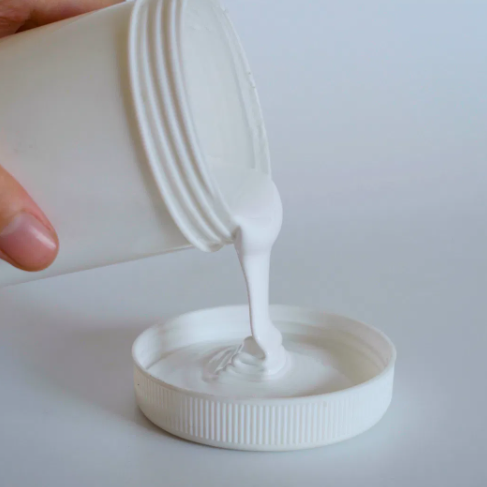
1. Mixing Ratio
By weight: Adhesive powder : Water : Flour = 1:3:2. That is, 100 kg adhesive powder + 300 kg water + 200 kg flour. The amount of flour can be adjusted according to weather and coating process, and industrial standard flour is required. (Inferior flour may contain excessive ineffective fillers, which will significantly reduce glue viscosity and final strength.)
2. Equipment Requirement
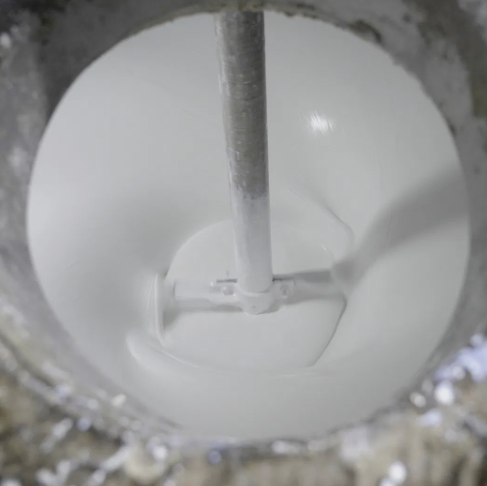
To ensure optimal glue preparation, it is recommended to use a glue bucket/tank with a disperser, and the sizes of both must be matched.
3. Mixing Process
First, pour 300 kg tap water (temperature 15–30 °C) into the glue bucket/tank, start stirring at moderate speed to avoid excessive foam. Gradually add 100 kg adhesive powder, then stir rapidly for about 8 minutes until the glue becomes thick, uniform, and smooth. While stirring, add 200 kg flour, stir for another 5 minutes until uniform and fine. The amount of flour may be adjusted depending on brand and other conditions to suit the process.
III. Glue Spreading, Lay-Up, and Conditioning
1. Before Glue Spreading:Adjust the roller gap of the glue spreader to ensure even coating.
- Initial glue spreading should be strictly measured; calculate the applied glue amount.
- Glue spread is generally 190–230 g/m². Fine adjustments depend on veneer species, moisture content, flatness, and environmental temperature and humidity. Rough surfaces, low moisture veneers, high temperature, and low humidity conditions may require slightly more glue.
2. Lay-Up Personnel:Pay attention to the closing and conditioning time (from lay-up start to pre-pressing). Extra care is required in hot, dry seasons or for low-moisture veneers.
IV. Pre-Pressing(Optional:To improve efficiency, direct hot pressing is supported; the boards can enter the hot press within 24 hours after glue application.)
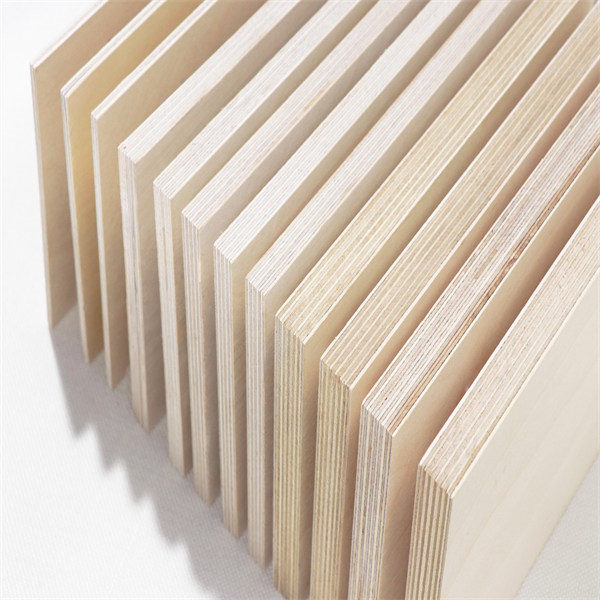
- Recommended cold press pressure: 1.4–1.6 MPa (board surface pressure)
- Pre-press time: 40–90 minutes
- During pre-pressing, ensure boards are as aligned as possible; use supports on one side and one end to prevent edge delamination.
- After cold pressing, continuously monitor pressing results. Adjust conditioning time if forming is unsatisfactory.
V. Core Trimming
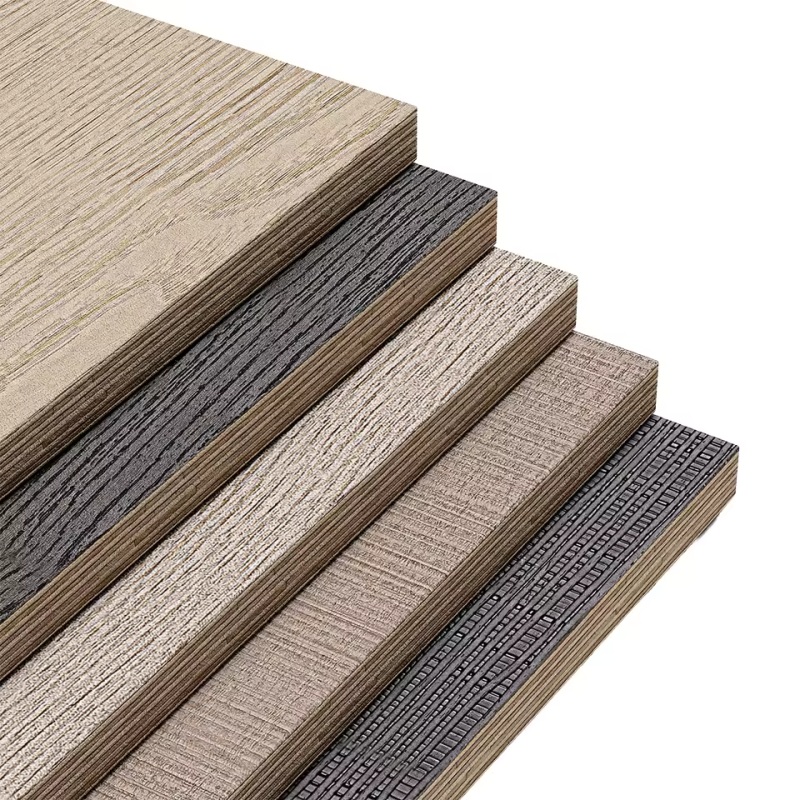
- Trim cores promptly after cold pressing, then move boards into the hot press.
VI. Hot Pressing
- Recommended hot press pressure: 0.7–0.9 MPa (surface pressure per stage)
- Temperature:120 °C
- Time: Adjust according to weather and glue amount (60–100 seconds/mm thickness)
- In staged hot pressing, carefully distribute pressure and time. The initial stage pressure should decrease from high to low, mainly to allow proper venting and reduce the chance of board cracking.
VII. Physical and Chemical Performance Testing
- Testing should be performed 72 hours after hot pressing.
VIII. Others
- Adjust the above process appropriately when temperature, humidity, or wood moisture content changes. Contact factory technical staff in extreme conditions.
IX. Disclaimer
- This product meets Class II delamination / Class III bonding strength and E0 formaldehyde standards.
- For first-time use of E0 adhesive powder, start with small-scale trials, then evaluate before scaling up to production.


