Why Veneer Peeling Machines Are Vital in Modern Plywood Veneer Production Lines
In the current fast-changing wood processing industry, plywood veneer machines are considered vital for enhancing efficiency, quality, and profitability. As an important sub-category of woodworking machines, plywood veneer machines are applied in plywood factories, panel factories, and furniture factories globally. Among them, the veneer peeling machine is regarded as a vital solution for log veneer production.
This article introduces the significance, working process, types, and benefits of plywood veneer machines, aiming to help manufacturers and purchasers gain a deeper understanding of how to select suitable machines for modern wood processing production.
What Are Plywood Veneer Machines?
Plywood veneer machines are a set of equipment designed to manufacture veneer materials that are then used to make plywood. These machines are usually made up of various equipment such as log debarking machines, veneer peeling machines, veneer clipping machines, dryers, and stacking machines.
The main purpose of the equipment is to process raw logs into veneer materials that can be glued and pressed together to make plywood. As the need for quality materials in the manufacture of plywood increases, particularly in the construction, furniture, and interior decoration industries, the quality of the equipment is critical in determining the quality and cost of the final product.
The Function of the Veneer Peeling Machine
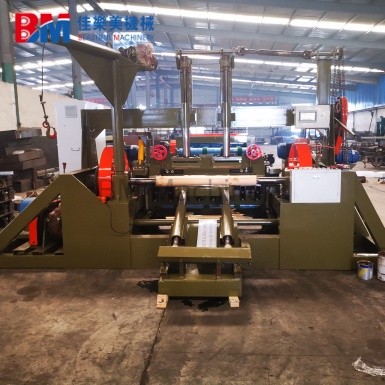
The veneer peeling machine is the most important machine in the veneer production process. The machine functions by turning a debarked log against a blade, peeling the log into a thin veneer sheet, similar to sharpening a pencil.
The veneer peeling machine is designed to have the following functions:
- To produce veneer of equal thickness
- To reduce material waste
- To allow high-speed production
- To accommodate logs of different diameters and wood types
The latest veneer peeling machines come with CNC control systems, automatic log centering, and thickness adjustment, making them essential in large-scale plywood production.
Major Advantages of Contemporary Plywood Veneer Machines
1. Increased Production Efficiency
Contemporary plywood veneer machines produce more than traditional manual processing. Automated machines enable continuous production, thereby cutting labor expenses and production time.
2. Enhanced Veneer Quality
Specially designed veneer peeling machines provide smooth and uniform surfaces, which are essential for producing quality plywood. This enhances the bonding strength and minimizes defects during hot pressing.
3. Material Usage and Cost Effectiveness
These machines optimize peeling accuracy, thereby minimizing wood waste and maximizing log usage. This directly affects raw material expenses and enhances profitability.
4. Automation and Intelligent Control
Contemporary plywood veneer machines are equipped with PLC or CNC control systems. Users can easily modify settings like peeling speed, thickness, and knife angle, thereby ensuring consistent production outputs.
Integrating with Woodworking Machinery Production Lines
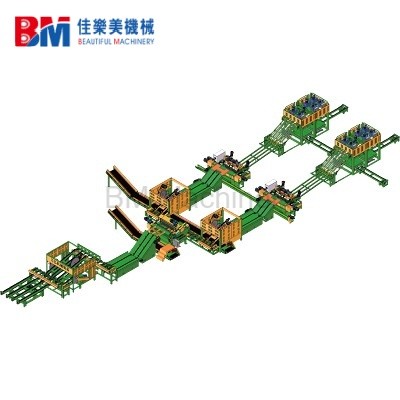
Plywood veneer machines can be integrated with a complete woodworking machinery production line. The production line for plywood veneers usually consists of the following machines:
- Log debarking machine
- Veneer peeling machine
- Veneer clipping and sizing machine
- Veneer dryer
- Veneer stacking and sorting system
By integrating the plywood veneer machines with the production line, the manufacturer can obtain a higher level of efficiency, quality, and management.
Applications of Plywood Veneer Machines
Plywood veneer machines have a variety of applications across different industries. The plywood veneer machine is used for the production of plywood, blockboard, furniture, decorative panels, flooring, construction materials, and packaging materials. The need for plywood veneer machines is on the rise due to the increasing demand for eco-friendly materials.
How to Choose the Right Veneer Peeling Machine
When you are looking to invest in a veneer peeling machine or other plywood veneer machines such as plywood veneer cutting machines, plywood veneer pressing machines, etc., there are several factors to consider. These factors include:
- Log diameters and species compatibility
- Veneer thickness required
- Level of automation and control system used
- Machine stability and durability
- After-sales service and support
Choosing the right woodworking equipment is crucial for long-term productivity and maintenance costs.
Future Trends in Plywood Veneer Machinery
In the future, plywood veneer machines are expected to be more advanced and include automation, energy-saving technology, and intelligent manufacturing solutions. These solutions are expected to be incorporated into plywood veneer machines to help plywood manufacturers cope with the demands of the ever-changing plywood market.
Conclusion
In summary, plywood veneer machines are an essential part of modern woodworking machinery, and the veneer peeling machine is no exception. Plywood veneer machines are crucial for the manufacture of top-grade plywood products. Moreover, plywood veneer machines are essential for increasing the efficiency and productivity of woodworking operations.
In addition, plywood veneer machines are crucial for plywood manufacturers looking to invest in the right woodworking equipment to increase their competitiveness in the global woodworking industry.
Plywood Machine Guide: From Debarking Machine to Veneer Peeling Machine